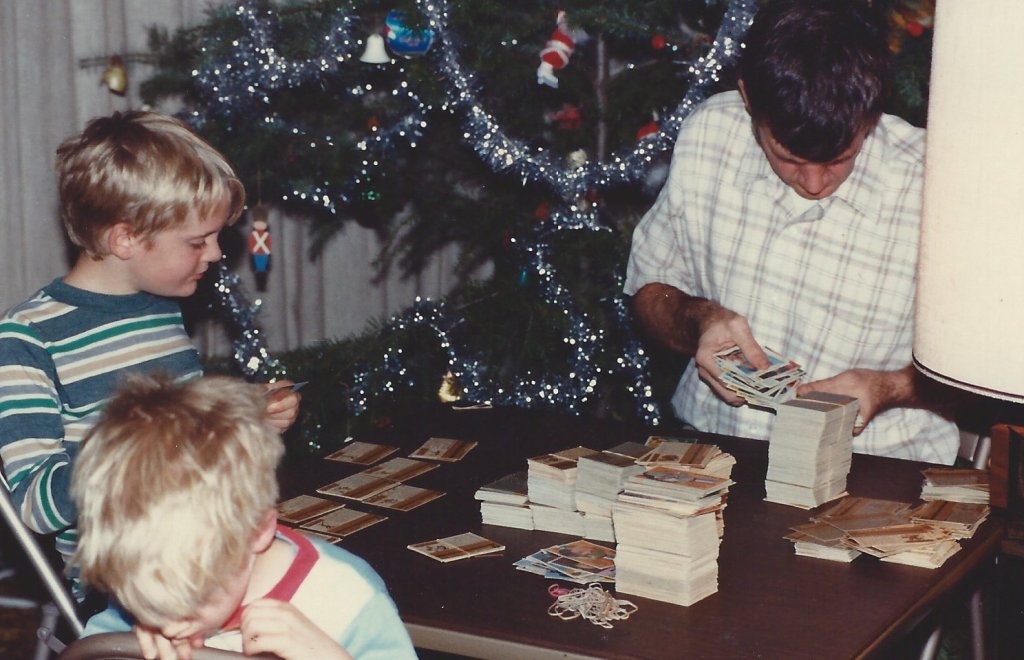
Here’s the story of what I’m doing here, but to do that, we’ve got to go back to the beginning. I was an avid sports fan as a kid and was pretty good at a number of sports in my youth. I am the son of a prolific baseball card collector and that quickly became my hobby too. Baseball cards blew up in 1981 when Fleer and Donruss joined Topps as major distributors. As an 8-year-old, I remember constantly buying 25-cent packs at supermarkets or baseball field snack bars. That began an obsession that lasted about a decade.
Sometime before I reached the age of 10, I developed my own baseball game with two six-sided dice and baseball cards. There wasn’t anything overly complex about it and the cards were only used to move around my makeshift field. I think I can still remember the dice rolls: 2 triple, 3 double, 4 pop-up, 5 single, 6 strikeout, 7 single or double play, 8 walk, 9 groundout or double play, 10 strikeout or stolen base, 11 flyout or sacrifice fly, 12 home run. Imagine my surprise when years later I found that people had taken my idea, made it better, and were making money off of it! I made one for football too but I’m afraid I don’t remember how that one was played.
I loved baseball statistics. I memorized the facts on the backs of those cards. I anxiously awaited each spring for the new editions of books like Who’s Who in Baseball, the Baseball Dope Book, and the Bill James Baseball Abstract. Friends called me a walking encyclopedia.
Two big things set me on a new course in the mid-1980s, and I discovered both around the same time. One was discovering Microleague Baseball for the Apple IIE, a baseball simulation video game. One of the interesting things was that you could buy additional disks that would allow you to be the GM and make new leagues and teams, and that would allow you to compile statistics for all the games you played. The second was a book called Rotisserie League Baseball. Fantasy sports as we know it today owes much to that book.
I didn’t create a fantasy league that tracked real statistics as they did in the book, but reading about drafts and general managers and trades, etc., did give me the inspiration to take MicroLeague Baseball and develop my own computer league with many of my friends. A group of us got together and drafted teams one day, and that began a league that lasted several seasons through junior high and early high school. It was a keeper league with contracts that expired, and an annual draft, and teams went into the computer based on their real-life stats from the year before. Roger’s Renegades won at least one and maybe two of the titles.
There were other simulations that I played as well. My dad had a cards-and-dice APBA set that I played with a little bit, and one with spinners called All-Star Baseball. Lance Haffner’s Courtside College Basketball was a particular favorite on the Apple IIE. Earl Weaver Baseball and Pursue the Pennant are a couple of other ones I remember, but there were surely others.
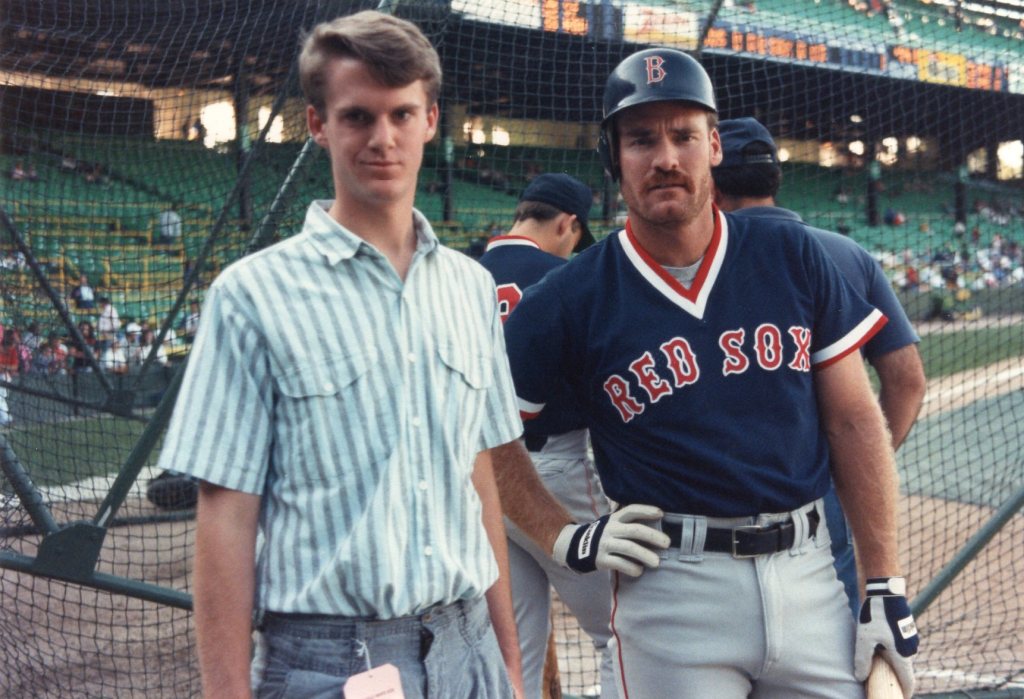
I played basketball and baseball in high school, and wrote about sports for the local paper, which gave me opportunities to do interesting things (see: me and Wade Boggs).
As high school gave way to college, and then to real life and a job, most of the hobbies went by the wayside. Although, in the late 1990s, I discovered what’s now known as Football Manager, and as an international soccer fan that was an addiction of mine that lasted a while.
As you might’ve guessed if you’ve read this far, I worked in sports for about 25 years. There were a lot of highlights.
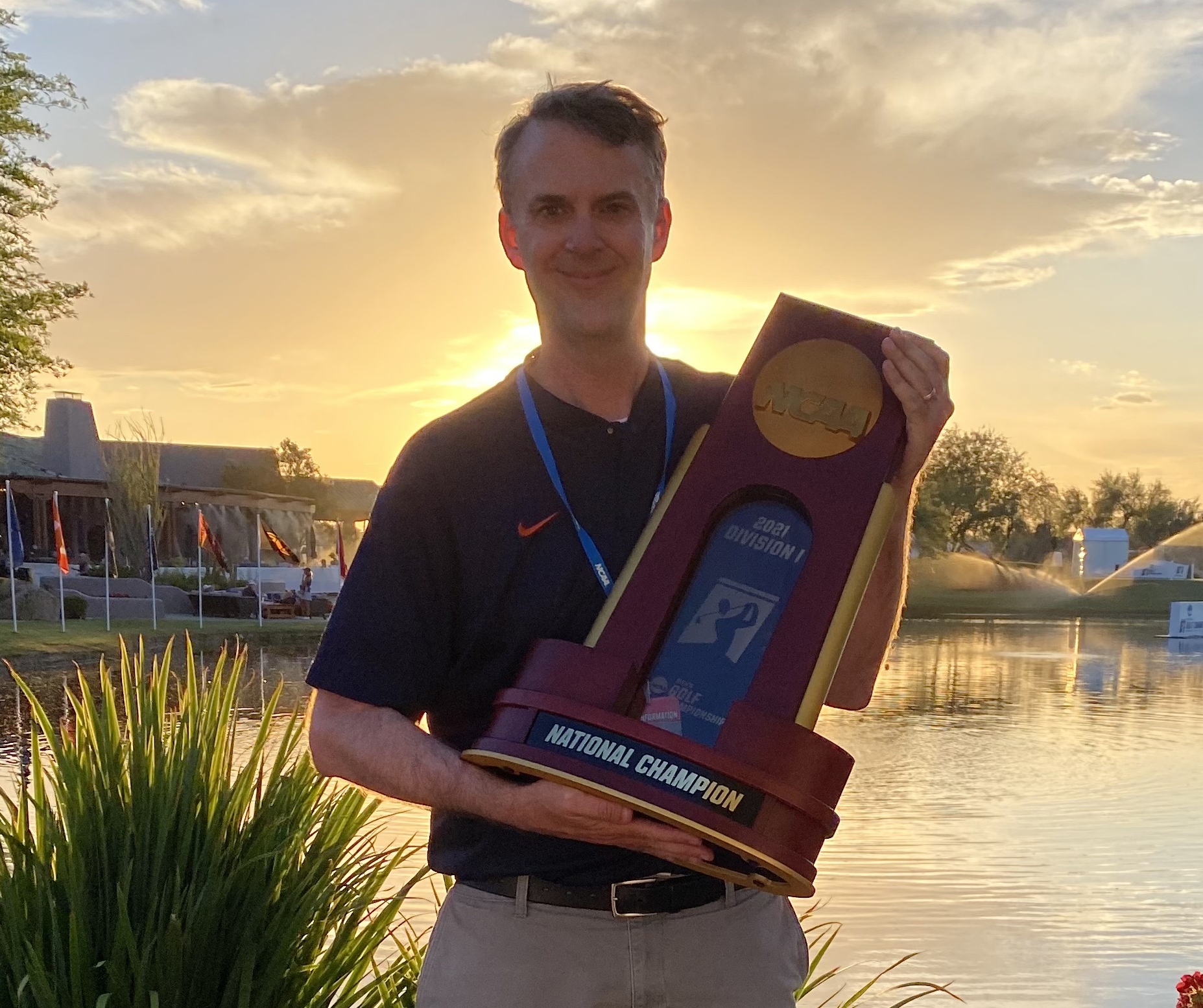
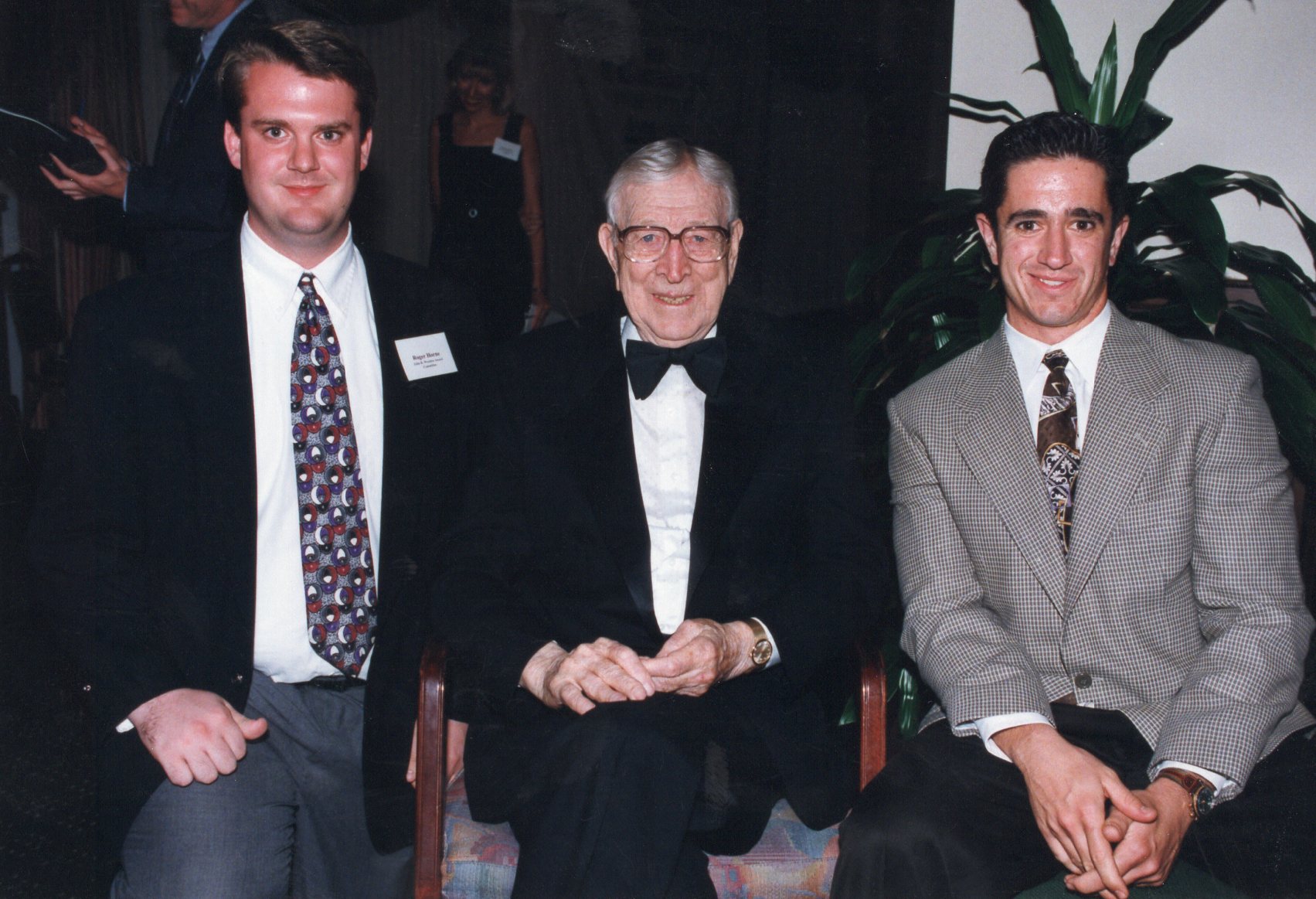
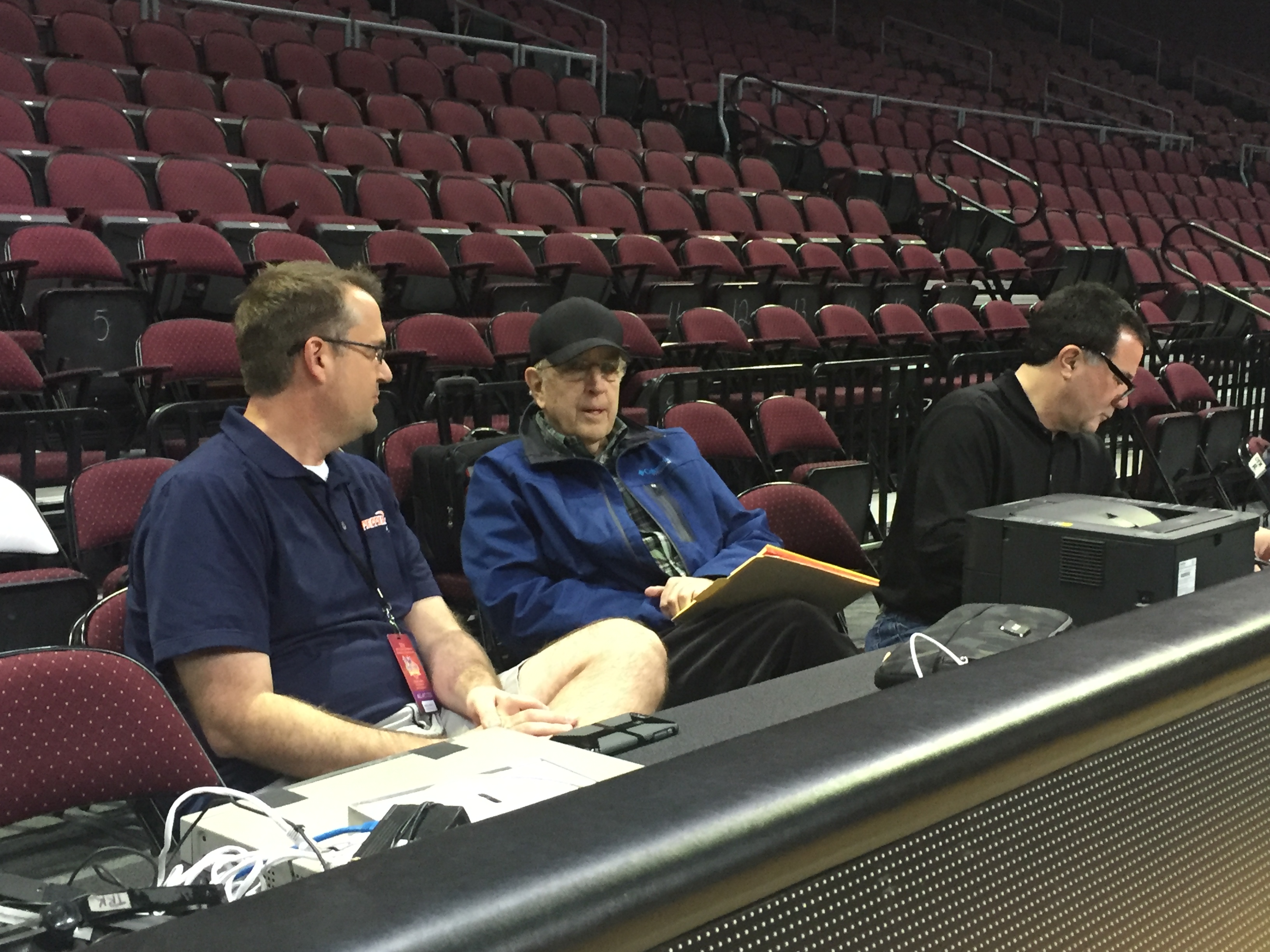
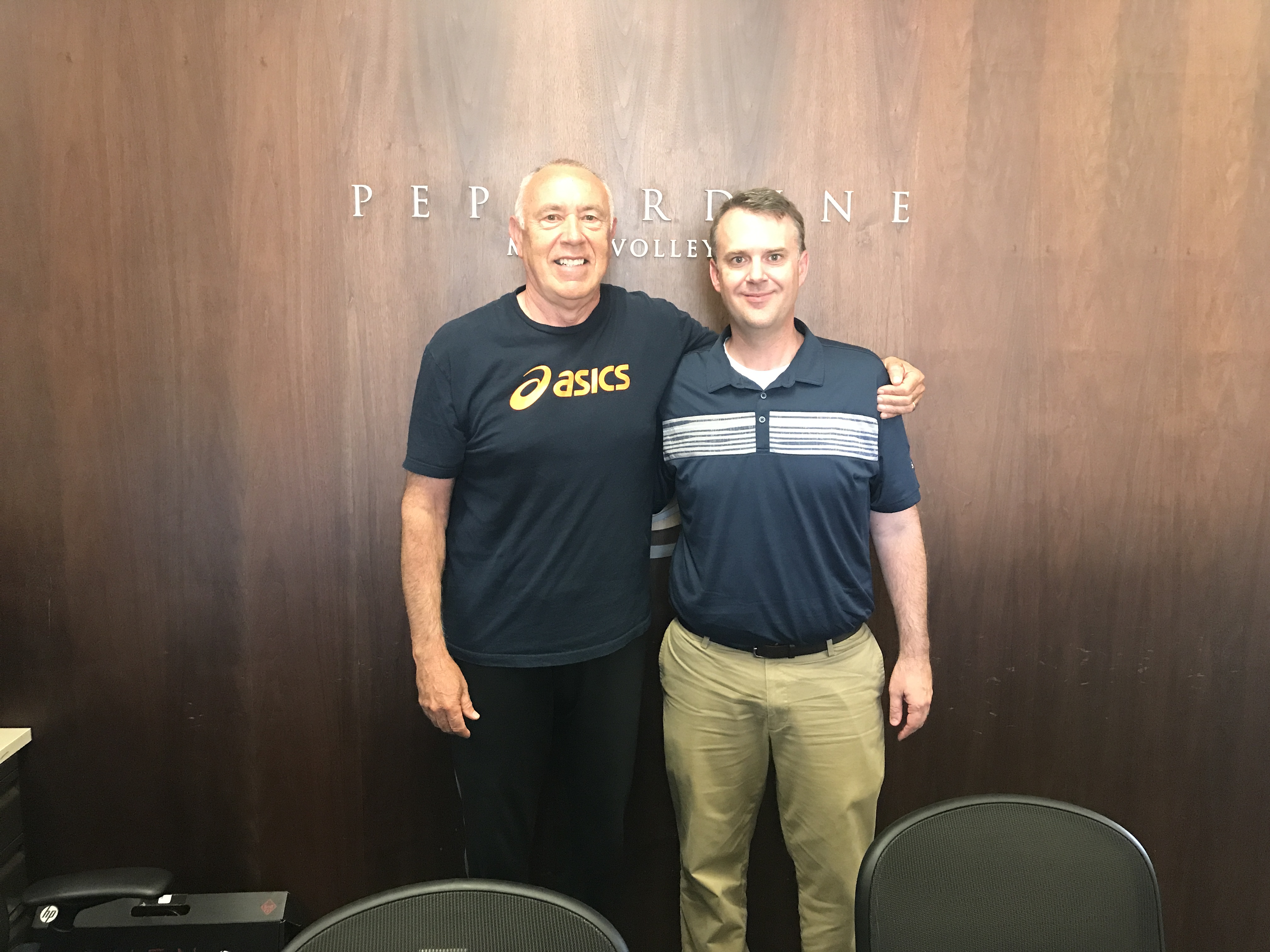
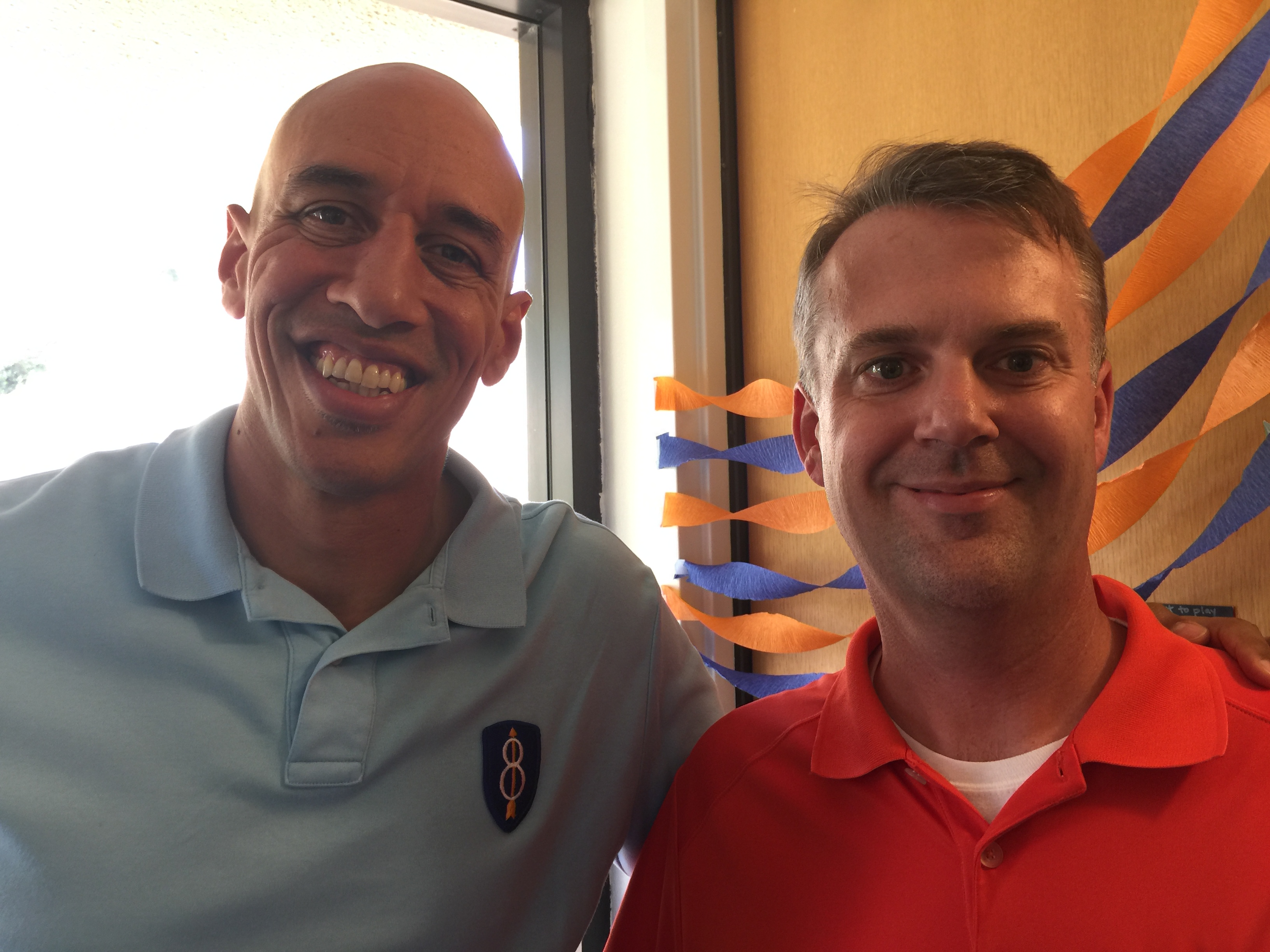
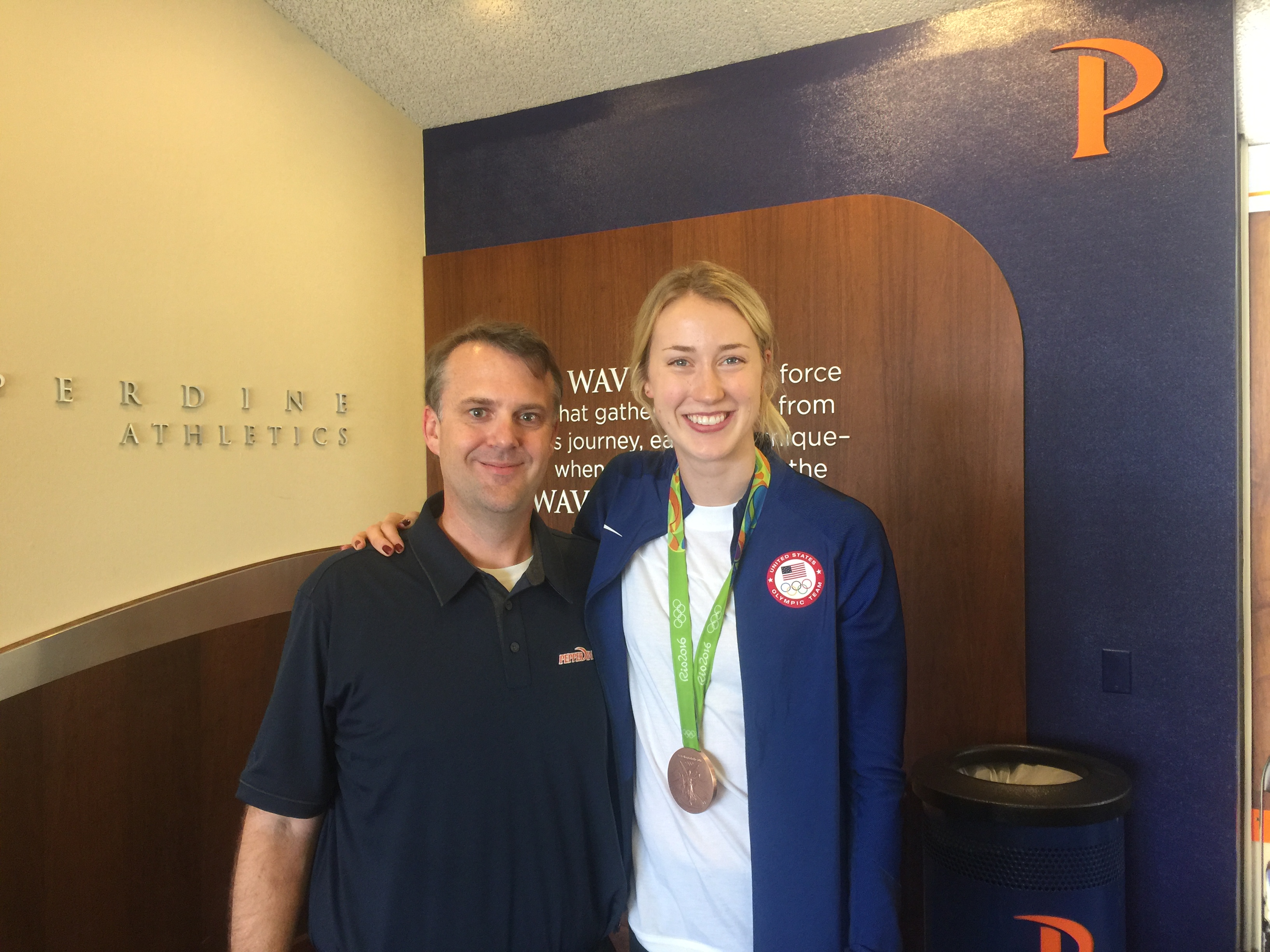
That was fun for a long while, but I eventually needed a change. So, when I left sports behind as a career, I had a decision. Forget it all? Or find a way to do the things that I really enjoyed, just for myself?
As fate would have it, right about that time I rediscovered my dad’s APBA 1981 set, which had last been played by me close to 40 years earlier. In December 2022, I played a couple of games, and I was hooked. That took me down a rabbit hole of Facebook groups and podcasts devoted to tabletop games and computer simulations.
And so, I decided the old hobby of my youth became the new hobby of my middle age. But, I don’t really do things halfway. Website management is something I’ve done well with over the years, so I opted to create my own site to document everything I do. This has let me do some of the things I enjoyed in my sports career: organizing events, writing recaps, and keeping stats and records.
So here we are!
 ROGER SPORTS & GAMES